
Introduction
Weight Loss Peptides 2026. Obesity continues to be one of the most pressing health challenges worldwide. According to global health reports, more than 1 billion people are now classified as overweight or obese, and the numbers are rising steadily. Traditional approaches — diet, exercise, and lifestyle changes — remain essential, but for many individuals they are not enough. This has created a demand for medical and scientific solutions that can complement lifestyle efforts and deliver sustainable results. Buy Weight Loss Peptides
In 2026, weight loss peptides have emerged as one of the most promising tools in this fight. Unlike fad diets or unregulated supplements, peptides are grounded in science. They are short chains of amino acids that act as messengers in the body, influencing everything from appetite regulation to fat metabolism. Some peptides are FDA‑approved for weight loss, while others are still in research stages but show remarkable potential.
Grow Hormones Releasing Peptides (GHRPs)
The rise of peptides reflects a broader shift in healthcare: moving from one‑size‑fits‑all solutions to targeted therapies. Instead of simply suppressing appetite or stimulating metabolism in a generic way, peptides work on specific pathways. For example, GLP‑1 peptides mimic natural hormones that signal satiety, helping people feel full sooner and eat less. Other peptides stimulate fat breakdown or improve insulin sensitivity, reducing the risk of diabetes while supporting weight loss.
Consumers are increasingly searching for “natural weight loss solutions 2026” and “safe peptide therapies for fat loss.” Social media platforms like TikTok and Instagram are filled with testimonials from people who have lost significant weight using peptides such as Semaglutide or Tirzepatide. Doctors are prescribing them more often, and wellness clinics are integrating peptides into broader treatment plans. Explore our catalogue of Premium Healing and Recovery Peptides
This guide will explore everything you need to know about weight loss peptides in 2026: how they work, which ones are most effective, their benefits and risks, and how to buy them safely online. By the end, you’ll understand why peptides are considered the future of weight management.
What Are Weight Loss Peptides?
To understand peptides, it helps to start with the basics of biology. Proteins, which make up much of our body’s structure, are composed of long chains of amino acids. Peptides are shorter chains — usually between 2 and 50 amino acids — that act as signaling molecules. They tell cells what to do, when to do it, and how to respond to changes in the environment.
In weight management, peptides influence processes such as hunger, satiety, fat storage, and energy expenditure. For example, GLP‑1 peptides mimic a natural hormone released in the gut after eating. This hormone signals the brain that the stomach is full, reducing appetite and slowing gastric emptying. By extending this signal, GLP‑1 peptides help people eat less and feel satisfied longer.
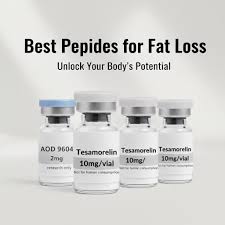
Other peptides target fat metabolism directly. AOD9604, derived from human growth hormone, stimulates lipolysis — the breakdown of fat cells — without affecting growth or muscle development. This makes it attractive for individuals who want to reduce fat mass without altering other aspects of their physiology.
Peptides differ from traditional weight loss medications in several ways:
- Precision: They act on specific pathways rather than broadly affecting the nervous system or metabolism.
- Safety: When dosed correctly, peptides often have fewer side effects than older medications.
- Versatility: Different peptides can be combined or tailored to individual needs, such as appetite control, fat burning, or metabolic improvement.
It’s important to note that not all peptides are FDA‑approved. Some remain in research stages and are sold as “research chemicals.” While these can be effective, they carry risks if sourced from unreliable suppliers. Consumers must be cautious and look for transparent lab reports, GMP certification, and reputable vendors.
The growing popularity of peptides reflects a desire for solutions that feel both scientific and natural. Unlike synthetic diet pills, peptides are modeled after molecules the body already produces. This gives them a sense of legitimacy and safety, even though proper medical oversight is still essential.
In short, peptides are not magic bullets — but they are powerful tools. When combined with lifestyle changes such as diet and exercise, they can deliver results that were once thought impossible. For many people, peptides represent hope: a way to finally overcome years of struggle with weight loss.
Popular Weight Loss Peptides in 2026
Semaglutide
Semaglutide is arguably the most recognized peptide in the weight loss space. Originally developed as a treatment for type 2 diabetes, it quickly gained FDA approval for obesity management after clinical trials demonstrated significant results.
- Mechanism of Action: Semaglutide is a GLP‑1 receptor agonist. It mimics the natural hormone glucagon‑like peptide‑1, which regulates appetite and slows gastric emptying. This means food stays in the stomach longer, helping users feel full and satisfied with smaller portions.
- Clinical Data: In large‑scale studies, patients lost an average of 15–20% of their body weight over 68 weeks. This is far greater than most traditional medications.
- Side Effects: Common side effects include mild nausea, digestive discomfort, and occasional fatigue. These usually diminish as the body adjusts.
- Consumer Demand: Searches like “Buy Semaglutide peptide online 2026” and “Semaglutide pens for weight loss” are among the fastest‑growing queries. Social media influencers often share their journeys, making Semaglutide a household name.
Tirzepatide
Tirzepatide is considered the next generation of peptide therapy. It works on two pathways — GIP and GLP‑1 — making it more effective than Semaglutide for many patients.
- Mechanism of Action: By activating both GIP and GLP‑1 receptors, Tirzepatide enhances insulin sensitivity, reduces appetite, and improves glucose control.
- Clinical Data: Trials show average weight loss of up to 22% of body weight, surpassing Semaglutide in many cases. Patients also experienced improved cardiovascular markers.
- Side Effects: Similar to Semaglutide, with nausea and digestive issues being the most common.
- Consumer Demand: Queries like “Tirzepatide vs Semaglutide for weight loss” are trending. Many consumers are eager to compare the two and choose the most effective option.
AOD9604
AOD9604 is a peptide fragment derived from human growth hormone. Unlike HGH, it does not affect growth or muscle development, but it does stimulate fat breakdown.
- Mechanism of Action: AOD9604 targets lipolysis, the process of breaking down fat cells, while inhibiting lipogenesis (the creation of new fat).
- Clinical Data: Research shows reductions in body fat percentage without altering lean muscle mass.
- Side Effects: Generally well tolerated, though it remains in research stages in many countries.
- Consumer Demand: Popular among fitness enthusiasts and researchers. Searches like “Buy AOD9604 peptide online” are increasing, especially in bodybuilding communities.
Other Emerging Peptides
Beyond the big three, several other peptides are gaining attention in 2026:
- CJC‑1295: A growth hormone releasing peptide that supports fat loss and muscle recovery.
- Ipamorelin: Known for appetite regulation and metabolism support, often used in combination with other peptides.
- Tesamorelin: Studied for fat reduction in specific populations, such as HIV‑associated lipodystrophy, but increasingly explored for broader weight loss applications.
These emerging peptides may not yet have FDA approval, but they are widely available as research compounds. Consumers should exercise caution and ensure they purchase from reputable suppliers with transparent lab testing.
Comparing Peptides
When comparing peptides, it’s clear that Semaglutide and Tirzepatide dominate the mainstream market due to FDA approval and clinical backing. AOD9604 and others remain popular in niche communities but lack the same regulatory support.
- Semaglutide: Best for appetite suppression and long‑term weight management.
- Tirzepatide: Best for dual metabolic control and maximum weight loss.
- AOD9604: Best for fat burning without muscle loss.
- Emerging Peptides: Best for research and specialized applications.
Consumer Trends
Consumers are increasingly interested in stacking peptides — combining multiple compounds for synergistic effects. For example, pairing Semaglutide with AOD9604 may provide both appetite suppression and fat burning. Wellness clinics are beginning to offer personalized peptide programs, tailoring combinations to individual needs.
Search intent reflects this trend, with queries like “Best peptide stack for weight loss 2026” and “Semaglutide plus AOD9604 results” appearing more frequently.
Benefits of Weight Loss Peptides
Targeted Effects
One of the most compelling advantages of peptides is their precision. Unlike older medications that broadly stimulate or suppress systems in the body, peptides act on specific receptors. For example, GLP‑1 peptides like Semaglutide target satiety signals, while AOD9604 focuses on fat metabolism. This targeted approach reduces the likelihood of unintended side effects and makes peptides more efficient at achieving their intended outcomes.
Patients often describe the experience as “natural” — they don’t feel jittery or overstimulated, as can happen with stimulant‑based weight loss drugs. Instead, they simply notice reduced cravings, smaller portion sizes, and gradual fat reduction.
Fewer Side Effects
Traditional weight loss medications, such as phentermine, can cause insomnia, increased heart rate, and anxiety. Peptides, by contrast, tend to have milder side effects. The most common issues are digestive discomfort or mild nausea, which usually subside after the first few weeks. Because peptides mimic natural hormones, the body often adapts quickly.
This makes peptides appealing to individuals who have struggled with the harsh side effects of older medications. For many, tolerability is the difference between sticking with a treatment plan and abandoning it.
Sustainable Results
Crash diets and stimulant‑based medications often lead to rapid weight loss followed by rebound gain. Peptides encourage gradual, sustainable progress. Clinical trials show that patients using Semaglutide or Tirzepatide maintain weight loss for months or even years, especially when combined with lifestyle changes.
This sustainability is critical. Long‑term weight management reduces the risk of chronic diseases such as diabetes, heart disease, and hypertension. Patients are not just losing weight — they are improving their overall health trajectory.
Improved Metabolic Health
Beyond weight loss, peptides offer metabolic benefits. GLP‑1 and GIP agonists improve insulin sensitivity, lower blood sugar levels, and reduce cardiovascular risk factors. This dual benefit makes peptides especially valuable for individuals with obesity‑related conditions. Buy Best THC Cannabis Gummies Onine Near You
For example, a patient with prediabetes who begins peptide therapy may not only lose weight but also avoid progression to full diabetes. This preventive effect is one reason doctors are increasingly prescribing peptides.
Psychological Benefits
Weight loss is not just physical — it’s psychological. Many patients report reduced food obsession, improved confidence, and better quality of life. Feeling in control of appetite can be liberating, especially for those who have struggled with binge eating or constant cravings.
Testimonials often highlight the emotional relief: “For the first time in years, I feel like food doesn’t control me.” This psychological shift can be as important as the physical results, helping patients maintain motivation and consistency.
Risks and Considerations
While peptides are promising, they are not risk‑free. Understanding the potential downsides is essential before starting therapy.
Medical Risks
- Digestive Issues: Nausea, bloating, or diarrhea are common, especially with GLP‑1 peptides.
- Hypoglycemia: In rare cases, peptides that affect insulin sensitivity can lower blood sugar too much, particularly if combined with other diabetes medications.
- Injection Site Reactions: Redness or irritation may occur when peptides are delivered via pens or syringes.
Regulatory Concerns
Not all peptides are FDA‑approved. Semaglutide and Tirzepatide have regulatory backing, but compounds like AOD9604 or CJC‑1295 are often sold as “research chemicals.” This means they are not officially approved for human use, and quality can vary widely.
Counterfeit Products
The booming demand for peptides has led to counterfeit products entering the market. These may contain incorrect dosages, contaminants, or even completely different substances. Using such products can be dangerous and undermine trust in peptide therapy.
Accessibility
FDA‑approved peptides require prescriptions, which can be costly and difficult to obtain in some regions. Research peptides are easier to buy online but carry higher risks. Consumers must weigh convenience against safety.
Long‑Term Unknowns
Because peptides are relatively new in mainstream weight loss, long‑term effects are still being studied. While short‑term safety looks promising, questions remain about extended use over decades.
How to Buy Weight Loss Peptides Online
Buying peptides online is increasingly common, but it requires caution. Here’s a detailed guide to ensure safety and authenticity.
Step 1 — Identify Trusted Suppliers
Look for vendors with transparent lab reports, GMP certification, and positive customer reviews. Reputable suppliers often publish third‑party testing results to prove purity and potency.
Step 2 — Verify Lab Reports
Lab reports should include:
- Potency Levels: Confirm the peptide concentration matches the label.
- Contaminant Testing: Ensure the product is free from heavy metals, bacteria, or solvents.
- Excipient Profiles: Check for fillers or additives that may affect safety.
Step 3 — Review Payment Options
Trusted suppliers typically accept secure payment methods such as credit cards, PayPal, or cryptocurrencies. Avoid vendors that only accept wire transfers or untraceable payments.
Step 4 — Check Shipping and Storage
Peptides are sensitive to temperature. Reliable suppliers ship with cold packs and provide storage instructions. Improper handling can degrade the product and reduce effectiveness.
Step 5 — Avoid Red Flags
Be wary of:
- Websites with no contact information.
- Unrealistic claims like “Lose 30 pounds in a week.”
- Prices far below market average — often a sign of counterfeits.
Step 6 — Understand Legal Status
FDA‑approved peptides require prescriptions in the U.S. Research peptides may be sold legally for “laboratory use only,” but using them personally can fall into a gray area. Always check local regulations before purchasing.
Consumer Search Trends
Search intent reflects growing interest in safe purchasing. Queries like “Buy Semaglutide online safely 2026” and “Best peptide suppliers with lab reports” are rising. This shows consumers are becoming more educated and cautious.
Research Pens & Delivery Systems
What Are Research Pens?
Research pens are precision delivery devices designed to administer peptides and medications safely and accurately. They resemble insulin pens and are increasingly popular because they simplify dosing. Instead of measuring powders or liquids manually, users can dial in the exact dose and inject it with minimal effort.
How They Work
Pens use micro‑injection technology to deliver peptides subcutaneously (under the skin). This ensures that the compound enters the bloodstream efficiently without passing through the digestive system, where it could be degraded.
Benefits of Pens
- Accuracy: Pens allow precise dosing, reducing the risk of under‑ or overdosing.
- Convenience: Easy to carry and use, making them ideal for daily routines.
- Safety: Reduced contamination risk compared to syringes.
- Compliance: Patients are more likely to stick with treatment when it’s simple.
Pens vs Traditional Syringes
Traditional syringes require measuring liquid manually, which can be intimidating and prone to error. Pens, by contrast, are pre‑filled or refillable with cartridges, making them user‑friendly. This difference is one reason pens are trending in 2026.
Consumer Trends
Searches like “Best peptide pens 2026” and “How to use Semaglutide pens safely” are rising. Many suppliers now bundle peptides with pens, offering complete kits. Clinics also prefer pens because they reduce training time for patients.
Peptides vs Weight Loss Medications
Effectiveness
Weight loss medications such as phentermine or orlistat have been used for decades. They often deliver rapid results but can come with significant side effects. Peptides, on the other hand, provide more gradual but sustainable outcomes. Clinical trials show that peptides like Semaglutide and Tirzepatide outperform many traditional medications in terms of long‑term weight loss.
Cost
Medications can be expensive, especially branded options. Peptides vary in cost depending on whether they are FDA‑approved or sold as research compounds. While prescription peptides may be costly upfront, their long‑term effectiveness often makes them more economical. Research peptides are cheaper but carry risks of inconsistency and lack of regulation.
Safety Profiles
Medications often affect the nervous system, leading to side effects such as insomnia, anxiety, or increased heart rate. Peptides mimic natural hormones, so they tend to have fewer systemic effects. The most common issues are digestive discomfort, which usually resolves over time.
Accessibility
Medications are widely available through pharmacies, while peptides may require prescriptions or specialized suppliers. However, the growing online market for peptides is making them more accessible.
Consumer Preference
Many consumers prefer peptides because they feel more “natural.” Instead of forcing the body into a state of suppression or stimulation, peptides enhance existing biological signals. This perception of safety and alignment with the body’s natural processes is a major driver of demand.
Comparison Table
| Feature | Peptides (e.g., Semaglutide, Tirzepatide) | Medications (e.g., Phentermine, Orlistat) |
|---|---|---|
| Effectiveness | Sustainable, long‑term weight loss | Rapid but often short‑term |
| Side Effects | Mild digestive issues | Nervous system stimulation, GI distress |
| Cost | Moderate to high, varies by supplier | Moderate, often covered by insurance |
| Accessibility | Prescription or research suppliers | Widely available in pharmacies |
| Consumer Appeal | Seen as natural and modern | Traditional but less trendy |
Consumer Trends in 2026
Wellness Integration
In 2026, peptides are no longer viewed as isolated medical treatments. They are being integrated into broader wellness programs that combine nutrition, fitness, and mental health. Clinics now offer peptide therapy alongside personalized diet plans, strength training, and mindfulness practices. This holistic approach appeals to consumers who want more than just weight loss — they want complete lifestyle transformation.
Peptides are also being paired with adaptogens (like ashwagandha) and nootropics (like L‑theanine) to create hybrid wellness products. These combinations promise not only fat loss but also improved energy, focus, and stress resilience. Searches such as “peptide wellness stack 2026” reflect this growing trend.
Global Legal Landscape
Regulation is evolving rapidly. In the U.S., Semaglutide and Tirzepatide are FDA‑approved, while peptides like AOD9604 remain in research categories. The European, regulatory bodies are beginning to recognize peptides as legitimate weight management tools, though approval processes vary by country.
In Asia, particularly in South Korea and Japan, peptides are being embraced in both medical and cosmetic contexts. This global adoption is fueling international demand and creating new markets for suppliers. Consumers are increasingly aware of these differences, with queries like “Are peptides legal in Europe 2026?” trending.
Market Growth
Analysts predict a 40% increase in peptide sales by 2027, driven by rising obesity rates and consumer demand for safer alternatives to traditional medications. The peptide market is expected to reach billions in revenue, with Semaglutide and Tirzepatide leading the charge.
Investment in peptide research is also growing. Pharmaceutical companies are funding trials for new compounds, while biotech startups are exploring innovative delivery systems. This means consumers can expect even more options in the coming years.
Social Media Influence
Platforms like TikTok, Instagram, and YouTube are playing a major role in peptide adoption. Influencers share before‑and‑after photos, dosing tips, and personal experiences. While this raises awareness, it also creates risks of misinformation.
Nevertheless, the impact is undeniable. Hashtags like #SemaglutideJourney and #PeptideWeightLoss have millions of views, driving consumer curiosity and demand. Social media has become a powerful marketing channel for suppliers and clinics alike.
Case Studies & FAQs
Sample Studies
Case Study 1: Semaglutide Success A 45‑year‑old woman with obesity and prediabetes began Semaglutide therapy. Over 12 months, she lost 25 pounds, improved her blood sugar levels, and reported reduced food cravings. Her doctor noted that she avoided progression to type 2 diabetes, highlighting the dual benefits of peptide therapy.
Case Study 2: Tirzepatide Transformation A 50‑year‑old man with type 2 diabetes switched from insulin therapy to Tirzepatide. Within 9 months, he lost 30 pounds and reduced his HbA1c levels significantly. He described the experience as “life‑changing,” noting improved energy and confidence.
Case Study 3: AOD9604 in Fitness A 35‑year‑old fitness enthusiast used AOD9604 alongside a structured exercise program. Over 6 months, he reduced body fat percentage by 8% without losing muscle mass. While AOD9604 is still in research stages, his results demonstrate its potential in targeted fat loss.
FAQs
Q1: Are peptides safe? FDA‑approved peptides like Semaglutide and Tirzepatide are considered safe when prescribed by a doctor. Research peptides should be approached cautiously.
Q2: How long before results show? Most users see results within 8–12 weeks, with continued improvement over months.
Q3: Can peptides replace diet and exercise? No. Peptides are most effective when combined with lifestyle changes.
Q4: Are peptides legal? FDA‑approved peptides are legal by prescription. Research peptides vary by jurisdiction.
Q5: Do peptides work for everyone? Results vary based on genetics, lifestyle, and adherence.
Q6: How do peptides compare to supplements? Supplements often lack clinical backing, while peptides are supported by trials.
Q7: What’s the difference between Semaglutide and Tirzepatide? Semaglutide targets GLP‑1, while Tirzepatide targets both GLP‑1 and GIP, often leading to greater weight loss.
Q8: Can peptides be stacked? Yes, some consumers combine peptides for synergistic effects, but this should be done under medical supervision.
Q9: Are pens better than syringes? Pens are more convenient and accurate, making them the preferred delivery system in 2026.
Q10: What’s the future of peptides? Expect more FDA approvals, new compounds, and innovative delivery systems in the coming years.
Conclusion
Weight loss peptides are the fastest‑growing solution in 2026. With FDA‑approved options like Semaglutide and Tirzepatide, plus emerging peptides like AOD9604, they represent the future of weight management.
Call to Action
👉 Order premium weight loss peptides and research pens today at BuyAlluviPens.com and explore the future of weight management.